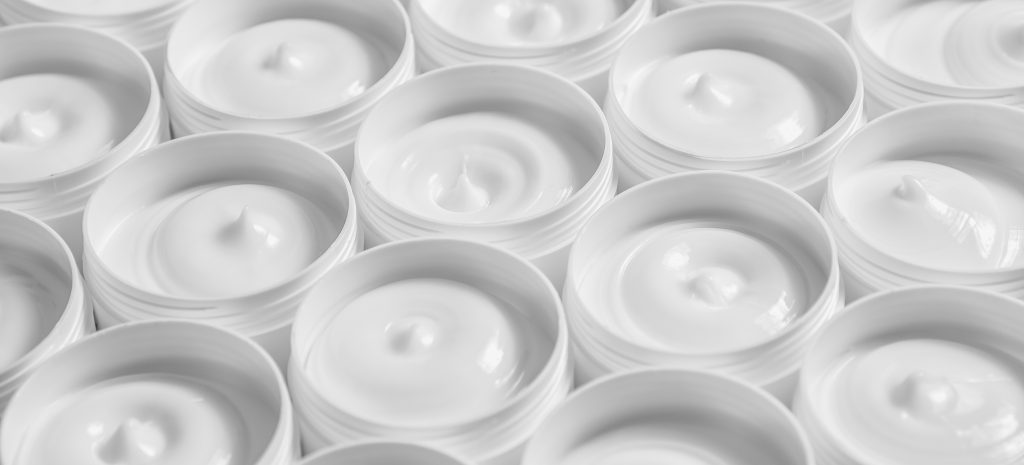
The Ecolabel is awarded to products that meet various ecological criteria defined in EC Decision 2021/1870 and is a very useful tool for consumers to select cosmetic products with a reduced environmen...
Occupational exposure limits (OELs) are maximum acceptable air concentrations that are used as reference parameters for the protection of workers from overexposure to chemical substances by inhalation...
Filters are extensively used in both pharmaceutical and biopharmaceutical manufacturing processes. In a worst case scenario, they could represent a source of extractables impurities. Extractables and...
In order to prevent the toxic effects of pharmaceuticals in the environment, ERA reports (Environmental Risk Assessment) are required for all new drug applications (NDA) of human medicinal products....
The Scientific Committee on Consumer Safety has recently updated the “Guidance for the Testing of Cosmetic Ingredients and their Safety Evaluation”. In this revision, new opinions and additional d...
Acceptable daily intake (ADI) represents the amount of a specific food additive in food or water that can be ingested daily over a lifetime without health risks for the consumers. Thus, ADI values are...
A new Technical Prevention Note (NTP 1668) on “Pressure drop associated with samplers and retention elements in the sampling of chemical agents” is now available! The risks arising from occupatio...
A recent review on the toxicological hazards of the cosmetic ingredients Lilial and Zinc pyrithione have shown them as CMR substances, based on the results of several preclinical reproduction studies....
📢 Do you know that from September onwards, the ERA reports must comply with the new requirements of the new EMA guideline on the Environmental Risk Assessment (ERA)? https://www.ema.europa.eu/en/e...
FDA has just released a draft guidance for Chemical Analysis for Biocompatibility Assessment of Medical Devices. https://www.fda.gov/regulatory-information/search-fda-guidance-documents/chemical-anal...