

NITROSAMINE RISK ANALYSIS
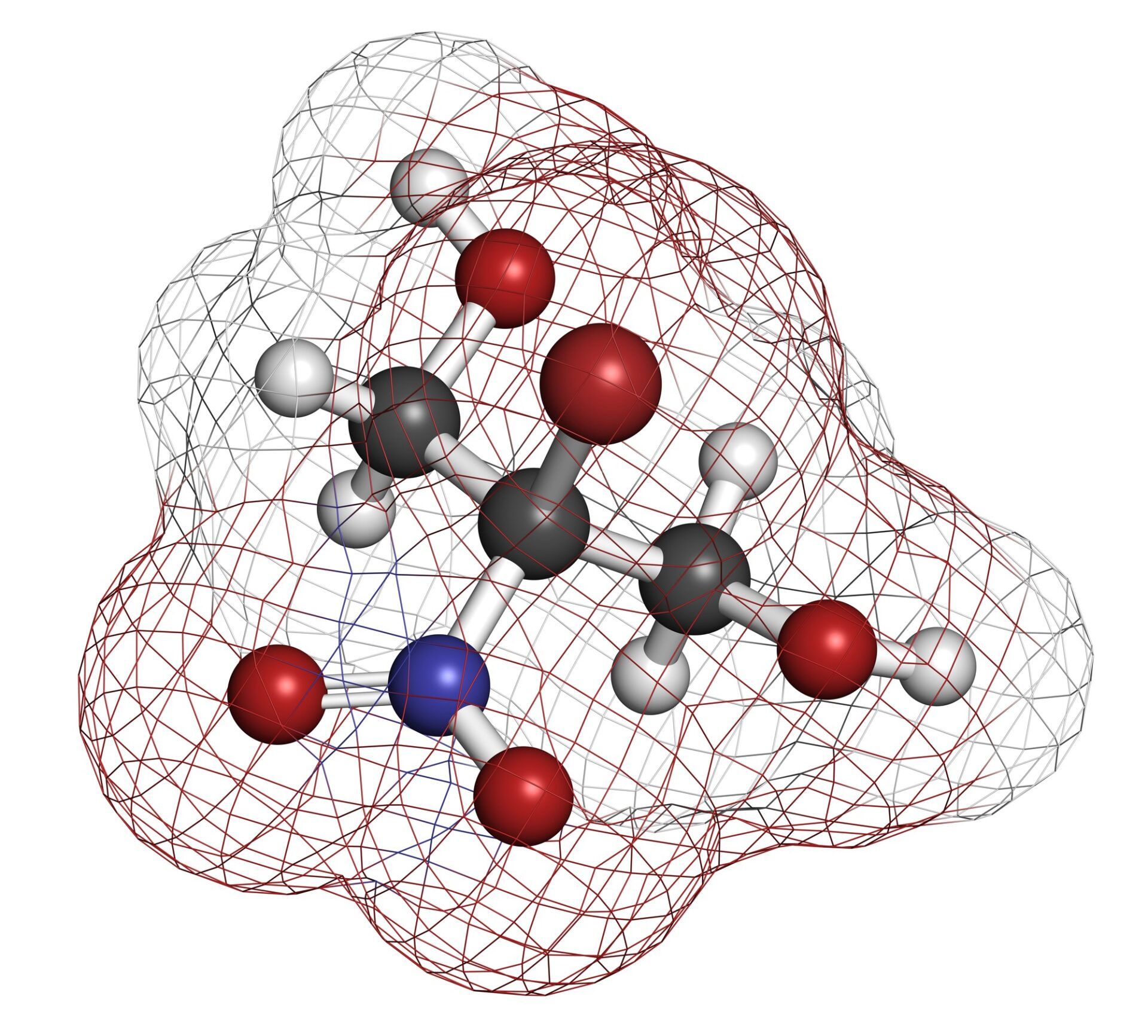
Given the toxicological profile of N-nitrosamines, their presence in medicines directly impacts their quality and safety. To prevent the presence of this type of impurity, health agencies have requested that marketing authorization holders for innovative, generic, or OTC medicines assess the risk of nitrosamine formation in all medicines for human use obtained through chemical synthesis.
According to the guidelines proposed by the Committee for Medicinal Products for Human Use (CHMP) of the European Medicines Agency (EMA) and by the Coordination Group for Decentralized Procedures and Mutual Recognition of Medicinal Products for Human Use (CMD), the risk analysis of nitrosamines will be carried out by assessing the potential formation of nitrosamines at different stages of the drug manufacturing process. Specifically, the potential formation of nitrosamines will be reviewed in the synthesis of the active ingredient, in the manufacture of the medicinal product, and also in the processes of solvent reuse, degradation of the active ingredient, conditioning of the finished product, or in potential cross-contamination processes.
1. Nitrosamine risk analysis:
- Risk of nitrosamine formation in active ingredient synthesis
- Risk of nitrosamine formation in finished product manufacturing
- Risk of nitrosamine formation due to cross-contamination
- Risk of nitrosamine formation due to solvent reuse
- Risk of nitrosamine formation due to degradation of the active ingredient
- Risk of nitrosamine formation from primary packaging material
“If the presence of nitrosamines is confirmed by analysis, changes will need to be made to the drug’s synthesis route in order to prevent the formation of these impurities and guarantee the quality of the product.”
At Dalia Global, we have an extensive and up-to-date database of excipients that allows us to perform accurate evaluations, saving time.
EXTRACTABLE AND LIXIVIABLE SUBSTANCES IN PACKAGING MATERIALS AND POLYMERIC MATERIALS
Controlled extraction studies enable the identification and quantification of extractable impurities, i.e., impurities derived from the packaging material or the polymeric material used in the drug manufacturing processes that could migrate from the material to the pharmaceutical product under severe conditions of use.
The toxicological risk analysis performed on the results of the extraction study will enable the actual presence of each extractable impurity in the maximum dose of the drug to be determined. This risk analysis will be performed using specific toxicological values for each extractable impurity and always taking into account the route of administration of the drug. Finally, based on the results of the toxicological risk analysis, the need to conduct leachability studies will be considered, which will confirm the presence or absence of extractable impurities under normal conditions of use, thus ensuring the quality of the product and its safety for the patient.
- Estimated amount of extractable substance in maximum daily dose of product
- Calculation of toxicological thresholds for each extractable substance
- Risk analysis
“Depending on the risk obtained: simulation studies (on the polymeric material); leachability studies (on the product).”
Dalia Global Services
Design of additional studies
- Calculation of toxicological thresholds for each extractable substance
- Risk analysis
- I design additional studies, if necessary (simulation studies on the polymeric material or leachability studies on the product).
RISK ANALYSIS OF ORGANIC IMPURITIES (ICH Q3A/Q3B)

To guarantee the quality of the pharmaceutical product, it is necessary to control the presence of impurities resulting from the synthesis or degradation processes of the API or the finished product.
The identification of impurities, the toxicological qualification of those that exceed their specification, and the development of analytical methods are the tools available to control the presence of impurities and ensure the efficacy and safety of the pharmaceutical product.
At Dalia, we perform risk analyses of organic impurities in accordance with ICH Q3A/B regulations, assessing toxicological risk and ensuring patient safety.
RISK ANALYSIS OF MUTAGENIC IMPURITIES (ICH M7)

Mutagenic impurities are organic compounds capable of interacting with DNA and producing alterations that could ultimately lead to carcinogenic processes.
To control the presence of this type of impurity in the finished product, regulations have been developed that propose a strategy for identifying actual and potential impurities that could appear in a product, as well as for evaluating their mutagenic profile and corresponding toxicological limit. Furthermore, in cases where the presence of a mutagenic impurity exceeding its established toxicological threshold is suspected, it will be necessary to justify its absence in the product either through purging studies or through the corresponding confirmatory analytical tests.
Dalia Global Services
1. Identification of actual and potential impurities that could form in the synthesis pathway of the active ingredient or in its degradation.
2. Evaluation of their mutagenic and genotoxic profile by means of:
- Bibliographic data
- Computational toxicology
- Experimental studies (in vitro/in vivo)
3. Risk characterization: calculation of toxicological limits for impurities with mutagenic potential.
4. Definition of control strategy for impurities with mutagenic potential. Confirmation of the presence/absence of mutagenic impurities through analytical tests or purge studies. Proposal for changes in the synthesis route.
At Dalia, we have a team of toxicologists and organic chemists with extensive experience in analyzing the risks of mutagenic impurities in accordance with ICH M7 regulations.
RISK ANALYSIS OF RESIDUAL SOLVENTS (ICH Q3C)

The presence of organic solvents can directly impact product quality, hence the need for strict control. Solvent regulations offer solvent control strategies through risk analysis based on established PDE values and estimated intakes for each solvent.
When risk analysis does not allow the risk to be ruled out, confirmatory analytical tests will ensure that solvent levels are within safe limits for the patient.
At Dalia, we perform risk analyses of residual solvents in accordance with ICH Q3C regulations, assessing toxicological risk and ensuring patient safety.
RISK ANALYSIS OF ELEMENTAL IMPURITIES (ICH Q3D)

The ICH Q3D guideline aims to limit and control the presence of elemental impurities (“heavy metals”) in medicines to ensure their quality and safety. To this end, a risk analysis must be carried out using an end-product or component-based approach.
The Risk Analysis of elemental impurities should be based on:
– Identify all possible sources of contamination (API, excipients, manufacturing process, water, or primary packaging).
– Analyze the elemental impurities that may potentially be present in the product.
– Evaluate the levels of elemental impurities and compare them with the established limits.
– Establish strategies to control impurity levels to ensure that limits are not exceeded.
At Dalia, we perform ICH Q3D Elemental Impurity Risk Analysis on any product based on the proposed approaches, evaluating the best possible option depending on the type of product, available information, and customer needs.
PDE REPORTS

The term permissible daily exposure (PDE) was defined by the EMA as: “The PDE value represents a specific dose of the substance that is unlikely to cause an adverse effect if an individual is exposed to this dose or below it every day throughout their lifetime.”
Since the publication in 2014 of the “Guidelines on the establishment of health-based exposure limits for use in the identification of risks in the manufacture of different medicinal products in shared facilities,” the PDE value has been a decisive toxicological value in the pharmaceutical industry. Dalia’s experts have extensive experience in determining limit values for active substances, both PDE values and their ADE analogues.