

CALCULATION OF ADI (ACCEPTABLE DAILY INTAKE) VALUES
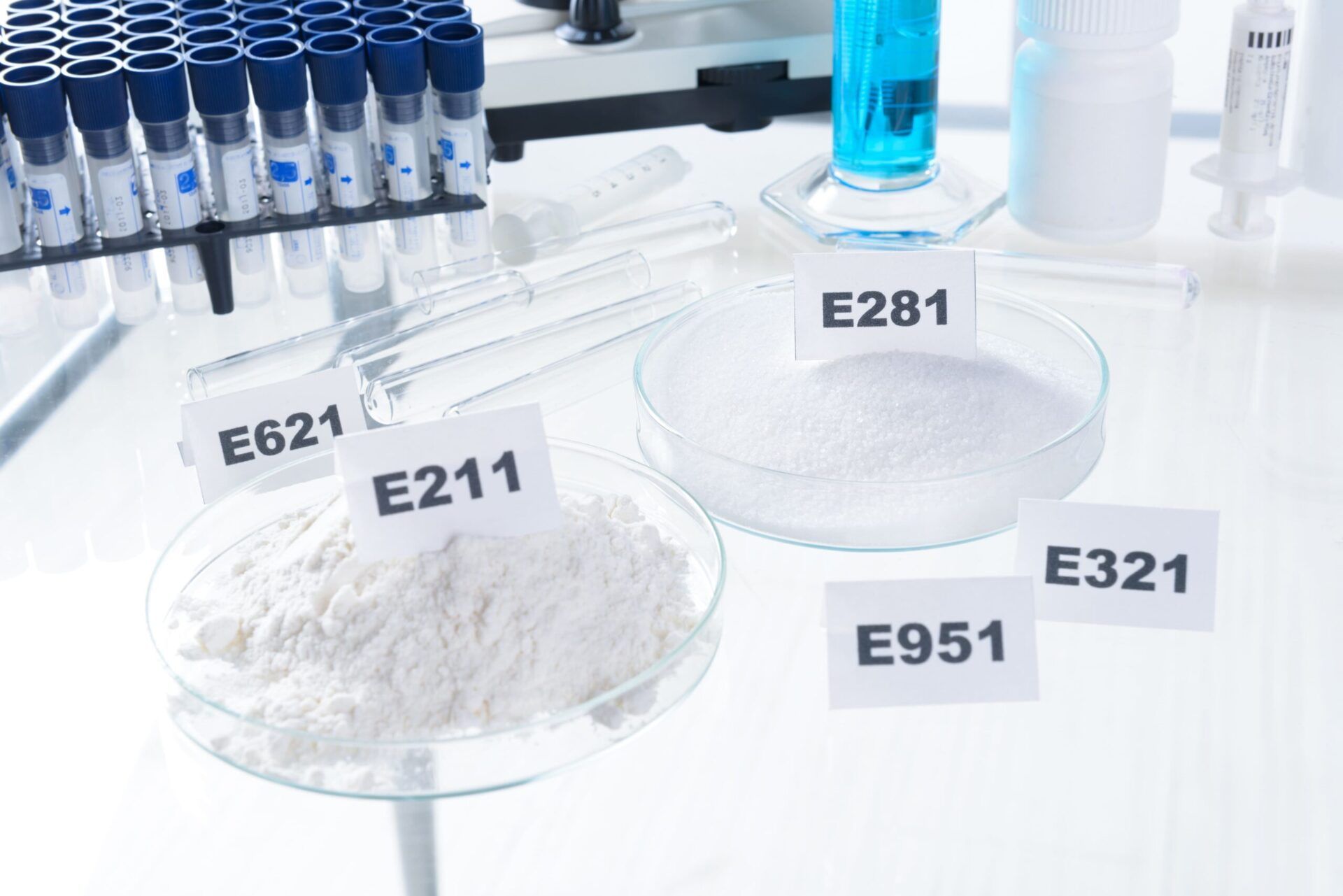
The acceptable daily intake (ADI) represents the amount of a food additive in food or water that can be ingested daily throughout a lifetime without risk to consumer health. Therefore, ADI values are useful references for controlling both the quality and safety of food products.
RISK ANALYSIS OF FOOD ADDITIVES

The presence of additives intentionally added to food products must always be evaluated to confirm that their levels are within the ranges permitted by health and food agencies. In addition, for additives added unintentionally, a more in-depth toxicological review of the resulting hazards will be required, as well as a risk analysis to rule out toxicological risks to consumers.
At Dalia, we have a team of toxicologists with extensive experience in developing additive risk analyses.
EXTRACTABLE IMPURITIES FROM MATERIALS IN CONTACT WITH FOOD
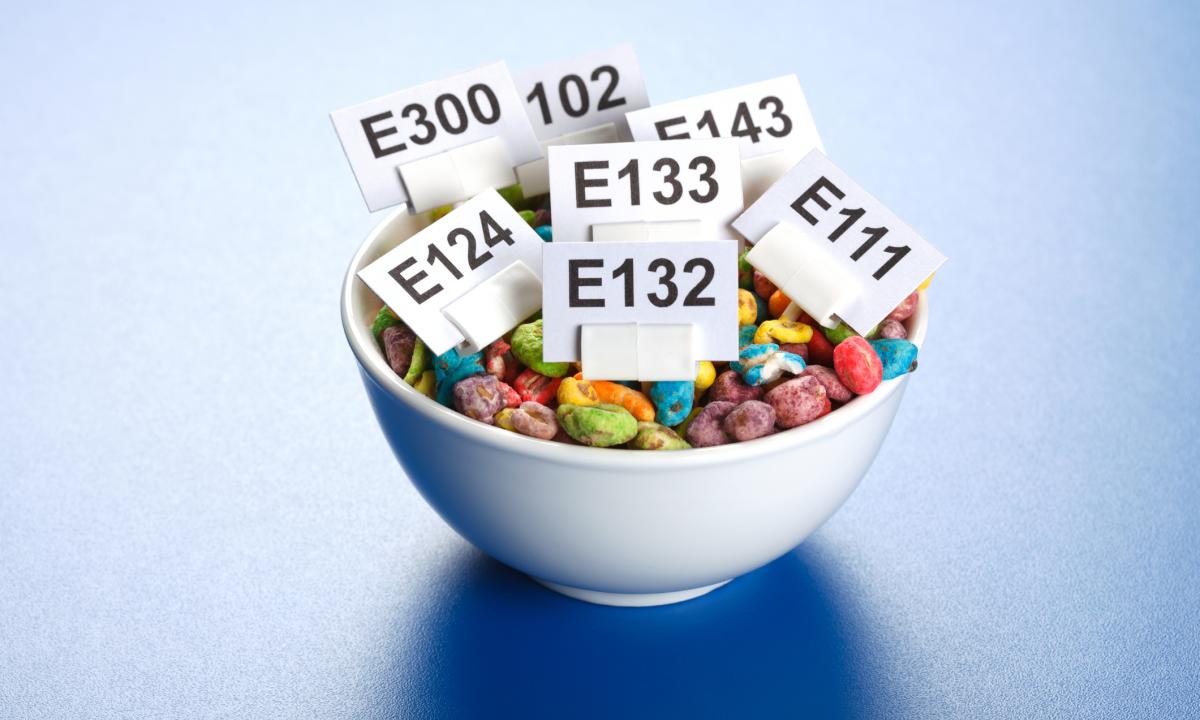
The safety and quality of food products can be compromised by impurities released from plastic and polymeric materials in contact with food, known as extractable impurities. Toxicological risk analysis of extractable impurities is a useful tool for ensuring food quality and, by extension, consumer safety.
At Dalia, we have a team of toxicologists with extensive experience in developing risk analyses for extractable impurities.
RISK ANALYSIS FOR CLEANLINESS CHECKS IN FOOD FACILITIES

Risk assessments that consider crucial parameters of food ingredients, such as toxicity profile, allergenic potential, and ease of cleaning. The evaluation of all these parameters will enable the design of a matrix in which the worst cases will be identified. This risk assessment allows the identification of products that pose the greatest risk to consumers, preventing cross-contamination and thus ensuring food safety.
At Dalia, we have a team of toxicologists with extensive experience in developing risk analyses for cleanliness checks in food facilities.